

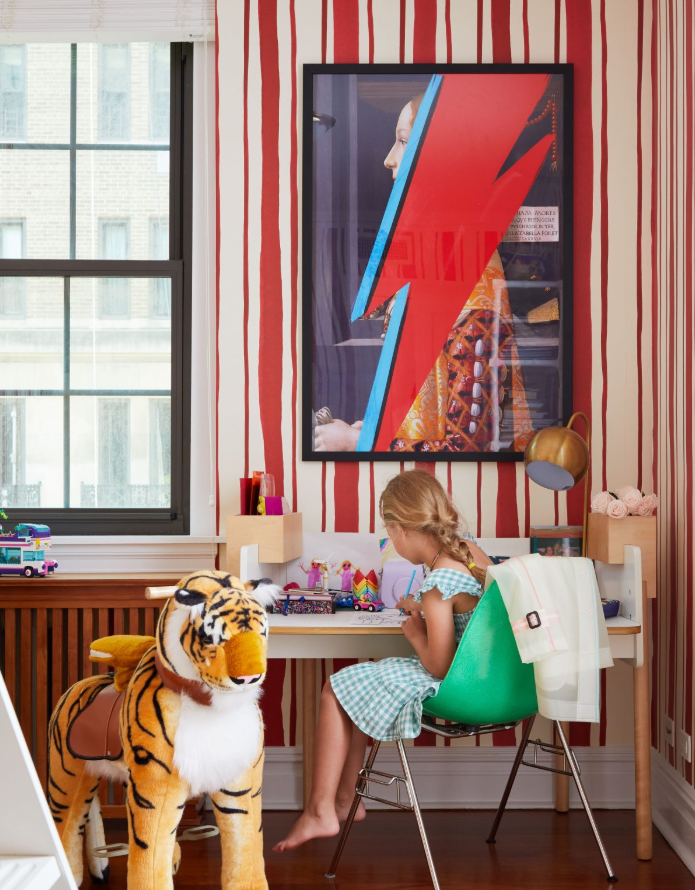

For years, our two kids, James and Stella, happily shared a bedroom. At first, it just made sense. They were close in age, they found comfort in each other’s company, and—if I’m honest—we loved the idea of them having that built-in companionship at bedtime. Nights were smoother, mornings were easier, and there was never a need for any elaborate sleep-training strategy. A consistent bedtime routine kept everyone well-rested, and their bond made bedtime feel less like a chore and more like a shared adventure.
But as with so many things in parenting, seasons change.
Now James is on the brink of turning ten, and Stella is just a few weeks shy of eight. Their needs, personalities, and rhythms are beginning to shift. Where once they both craved the reassurance of being together at night, James has started leaning into independence. He values quiet moments to himself before bed, the feeling of his own space, and yes—something we can fairly call privacy. Stella, meanwhile, still longs for togetherness. She’ll often ask if James can sleep in her room, though more often than not, he politely declines.
It’s bittersweet to watch. On one hand, it’s wonderful to see James stepping into a stage where personal space matters to him. On the other, Stella’s yearning for closeness tugs at our hearts. But these milestones are natural. Emotional needs evolve, and what works for a pair of toddlers doesn’t always work for an almost-ten-year-old and his little sister.
That’s why, when Stella asked if the new baby (arriving at the end of October, if all goes well) could one day share her room, we happily agreed. Of course, we explained that the baby will stay in our room at first, until he’s sleeping through the night. She understood—and even seemed excited about the idea.
So here we are: entering a new phase with two kids in separate bedrooms, and one more soon to join the mix. And let me tell you, re-establishing a solid bedtime routine after a summer break is no small task! But after a week of early school mornings, we’re slowly finding our rhythm again.
And while this isn’t meant to turn into a parenting advice post (heaven knows there are enough of those already), it does naturally lead into something I do love sharing here: ideas for children’s bedrooms. Because creating spaces that reflect your kids’ needs, personalities, and growing independence is one of the joys of parenthood.
Ideas for Children’s Bedrooms That Grow With Them
1. Think about their stage of life.
When your kids are small, shared spaces can provide comfort and companionship. But as they grow, their emotional needs change. Bedrooms can evolve alongside them—transforming from playful shared spaces to personal retreats that give them room to breathe.
2. Create zones for both function and personality.
For school-aged kids like James and Stella, it helps to divide the room into “zones”: a cozy spot for reading before bed, a desk area for homework or drawing, and space for play. Even in smaller rooms, defining areas helps kids feel like they truly own their space.
3. Add personal touches.
One of the simplest ways to make a room feel special is through personalization. Let them pick out their own bedding, a piece of wall art, or a lamp. These choices give them ownership and pride in their space.
4. Design for flexibility.
Kids’ interests change quickly, so try to choose furniture and layouts that can grow with them. Neutral walls with pops of color in accessories, modular storage, and beds that can adapt to different stages make transitions smoother (and less expensive).
5. Keep bedtime in mind.
At the end of the day, a bedroom should also serve its main purpose: helping kids wind down and get good sleep. We’ve found that sticking to consistent routines, no matter how the room looks, is what really matters.
Closing Thoughts
The shift from shared to separate bedrooms has been a learning curve—not just for James and Stella, but for us as parents, too. We’ve discovered that while logistics matter (yes, separate rooms do mean more bedtime wrangling), the bigger story is about meeting each child where they are emotionally.
Bedrooms aren’t just places to sleep—they’re sanctuaries that reflect who our children are becoming. Whether it’s a shared space filled with laughter or a private retreat that offers quiet, the most important thing is that the room feels like home to the little (or not-so-little) person who sleeps there.
So, if you’re in the middle of a similar transition, take heart. The process might come with challenges, but it also opens up new opportunities to nurture independence, creativity, and comfort—all within four walls.